
Be a Smart Financial Consumer - Save on Food Expenses
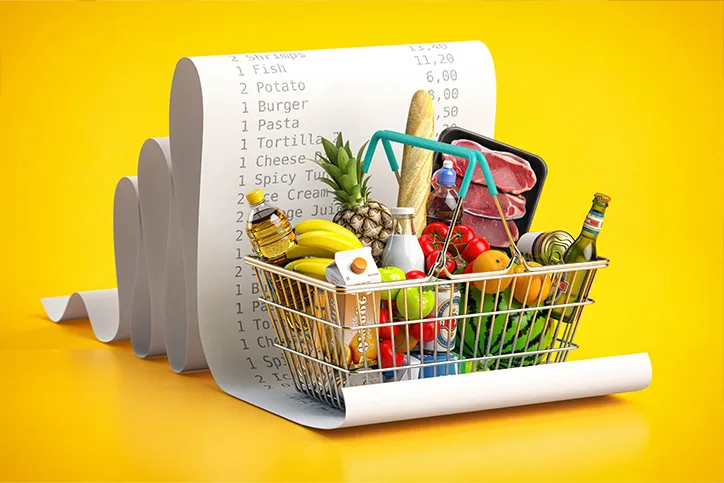

Food expenses are a significant part of any family's budget, but it's also an area where you can find savings. As consumers, we often select the most convenient option when it comes to food without necessarily considering the cost. Keeping a closer eye on food costs can help reduce your expenses without losing the enjoyment.
The average Canadian family of four spent around $16,833.67 on food in 2025 according to Statistics Canada, which is an increase of $801.56 from 2024. That number included groceries and eating out. However, there are ways to take a bite out of your grocery bill, and in some cases, small behaviour changes can result in significant savings.
Clipping coupons doesn't seem like something that would be popular in the internet age, but finding ways to save on products has never been easier. Doing your research can also pay off. Online searches can give you information on the best price and available coupons from product companies. Liking your favourite brands and following merchants on social media can help you locate coupons. Many brands reward their customers with exclusive offers, giveaways and contests.
Preparation before heading to the supermarket can also pay off. Planning your meals and snacks and bringing a grocery list are good ways to prevent overspending. However, when it comes to your grocery list, make sure you stick to it. Avoid impulse buying that is enticed by sample stations, bulk pricing, and product placement at the checkout.
When selecting products at the store, think about buying brand names only when you can taste and see the difference. For everything else, generic or store-brand products work fine and cost much less. Another tip is to do the work yourself at home. A lot of stores offer prewashed and precut fruits and vegetables, shredded cheese and other ready-to-go foods. While they are convenient, they are also more expensive. Lastly, be sure to compare price per unit. If you aren't sure or it's not posted at the store, use the calculator on your mobile phone to ensure you aren't paying more than you should. Sometimes the bigger option isn’t always the cheaper option.
Saving on groceries is one way to save on food, but there are others when it comes to eating out. Setting a budget for fast food, take-out and eating out and sticking to it is a big key. As we discussed in our Budgeting Article, tracking expenses is the first step to setting a budget. Consider recording all your food-related costs for a month or two to see where you could cut down.
Other ways to save on food include bringing your own lunch, drinks, snacks and coffee to work from home as opposed to buying them en route. Another tip is to Cook one big dish and freeze the leftovers, and 'vegging out' on a low-cost meatless meal once or twice a week.
There are lots of great tips on saving money when it comes to food, you just have to find what works for you and stick with it.



.svg)